Understanding Freight Transportation: Road, Rail, Air & Sea Explained
Discover the key differences between road, rail, air, and sea freight transportation. Learn how each mode works, its benefits, and when to use it for efficient shipping.
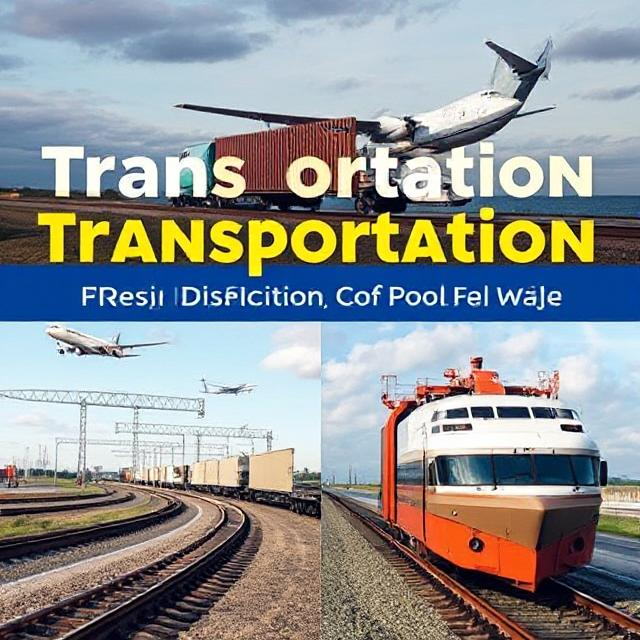
Shipping goods efficiently is at the heart of every successful supply chain. Whether you’re moving products domestically or globally, choosing the right freight transportation mode can make a significant difference in cost, speed, and reliability. This guide will help you understand the four primary types of freight transportation—road, rail, air, and sea—so you can make informed decisions for your logistics needs.
1. Road Freight
What It Is:
Road freight involves transporting goods via trucks and other vehicles across highways and roads.
Advantages:
- Great for short to medium distances
- Flexible and accessible for most regions
- Ideal for door-to-door deliveries
Common Uses:
Retail distribution, small to medium shipments, perishable goods, last-mile delivery
2. Rail Freight
What It Is:
Rail freight uses trains to carry large quantities of goods over land.
Advantages:
- Economical for bulk and long-distance shipping
- Environmentally friendly compared to road
- Reliable schedules
Common Uses:
Coal, grain, raw materials, intermodal containers
3. Air Freight
What It Is:
Air freight moves goods via airplanes, typically for fast and long-distance delivery.
Advantages:
- Fastest shipping method
- High security for valuable items
- Access to global destinations
Common Uses:
Electronics, medical supplies, high-value or time-sensitive goods
4. Sea Freight
What It Is:
Sea freight, also called ocean freight, involves transporting goods via ships over international waters.
Advantages:
- Most cost-effective for large, heavy cargo
- Suitable for international trade
- Handles oversized or hazardous materials
Common Uses:
Bulk commodities, vehicles, large machinery, long-distance international shipping
Which Freight Option is Right for You?
Choosing the right freight transportation mode depends on:
- The size and weight of your shipment
- Delivery deadlines
- Shipping budget
- Distance and destination
- Type of goods (perishable, fragile, hazardous, etc.)
Often, businesses use multimodal or intermodal shipping, combining several transportation methods to optimize efficiency and cost.
Conclusion
Freight transportation is more than just moving items—it’s about doing it strategically. Whether you choose road for flexibility, rail for heavy loads, air for speed, or sea for cost savings, understanding each method helps you build a stronger supply chain. With the right transportation choice, your business can meet delivery timelines, reduce expenses, and improve customer satisfaction.
