
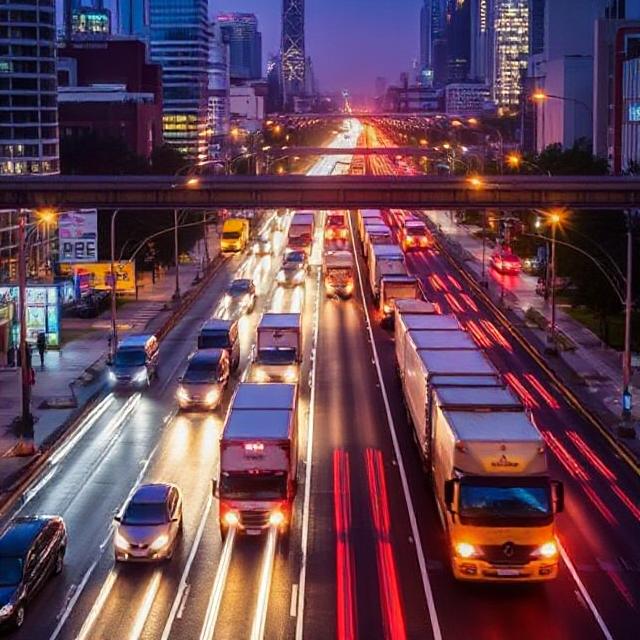
Discover innovative urban freight solutions that reduce congestion and improve delivery efficiency. Explore smart traffic management, micro-hubs, and green logistics strategies.
Reducing Congestion: Innovative Solutions for Urban Freight Movement
Urban freight transportation is a critical component of modern city life — ensuring that businesses receive supplies, consumers get their orders, and essential goods circulate smoothly. However, with the explosion of e-commerce, population growth, and limited road space, cities are increasingly plagued by traffic congestion, much of it caused by freight vehicles.
Fortunately, several innovative solutions are emerging to help cities and businesses reduce congestion while maintaining fast, reliable deliveries. Let’s explore these smart strategies transforming urban freight movement.
1️⃣ Urban Consolidation Centers (UCCs)
Urban Consolidation Centers serve as central distribution hubs where shipments are consolidated before entering dense city centers. Multiple delivery companies can pool resources, sending fewer vehicles into congested areas.
Benefits:
- Fewer vehicles required for deliveries.
- Reduced emissions and fuel consumption.
- Optimized last-mile delivery routes.
2️⃣ Off-Peak and Nighttime Deliveries
Delivering during off-peak hours can drastically reduce congestion. Many cities now allow or encourage nighttime deliveries, minimizing conflict with commuter traffic and streamlining delivery schedules.
Advantages:
- Faster delivery due to less traffic.
- Reduced daytime road pressure.
- Incentives for companies that adopt off-peak delivery.
3️⃣ Micro-Hubs and Last-Mile Innovations
Micro-hubs are small, localized warehouses situated closer to customers. They enable the use of alternative last-mile vehicles like cargo bikes, e-scooters, and electric vans for final delivery.
Innovative Last-Mile Options:
- Electric cargo bikes for short distances.
- Small autonomous delivery robots.
- Drone deliveries for select parcels.
4️⃣ Dynamic Curb Management
Finding legal parking spots for loading and unloading is a major cause of traffic disruptions. Smart curbside management uses real-time data to allocate curb space efficiently, allowing delivery drivers to reserve loading zones in advance.
Features:
- Mobile apps for curbside reservations.
- Sensors to monitor curb occupancy.
- Dynamic pricing to optimize curbside usage.
5️⃣ Smart Traffic Management Systems
Cities are leveraging AI-powered traffic management to optimize freight vehicle movement. These systems analyze real-time traffic patterns and adjust traffic lights or suggest alternate routes to reduce delays.
Technology Used:
- Predictive analytics.
- AI-powered routing apps.
- Connected vehicle data sharing.
6️⃣ Clean and Green Freight Vehicles
Shifting to low-emission or zero-emission vehicles like electric delivery vans, hydrogen-powered trucks, or hybrid engines helps reduce both congestion and environmental impact.
Environmental Benefits:
- Lower air and noise pollution.
- Compliance with low-emission zone regulations.
- Cost savings on fuel and maintenance.
7️⃣ Freight Sharing & Collaborative Logistics
Multiple companies can collaborate to share freight capacity, known as freight pooling. By consolidating shipments, fewer vehicles are needed to service similar areas.
Outcomes:
- Improved load utilization.
- Fewer delivery vehicles on city roads.
- Cost-effective for small businesses.
8️⃣ Data-Driven Urban Freight Planning
Big data analytics allows city planners to monitor freight flows, traffic volumes, and delivery patterns. This data informs smarter infrastructure development and freight policy decisions.
Data Sources:
- GPS tracking of delivery vehicles.
- Traffic cameras and sensors.
- E-commerce order data.
Conclusion
The rapid growth of urban freight movement presents both challenges and opportunities. By embracing innovative technologies and collaborative approaches, cities can dramatically reduce congestion while supporting efficient, sustainable, and reliable deliveries.
As the demand for urban logistics continues to rise, these innovative freight solutions offer a roadmap to ensure that both businesses and communities thrive — without gridlock.
Tag
urban-freight, reduce-congestion, smart-logistics, last-mile-innovation, city-logistics
Keywords:
urban freight congestion, innovative freight solutions, urban logistics, freight traffic management, reduce congestion, sustainable urban freight, micro-hubs, last-mile delivery, smart transportation, urban freight optimization
Category:
Urban Logistics & Transportation
