
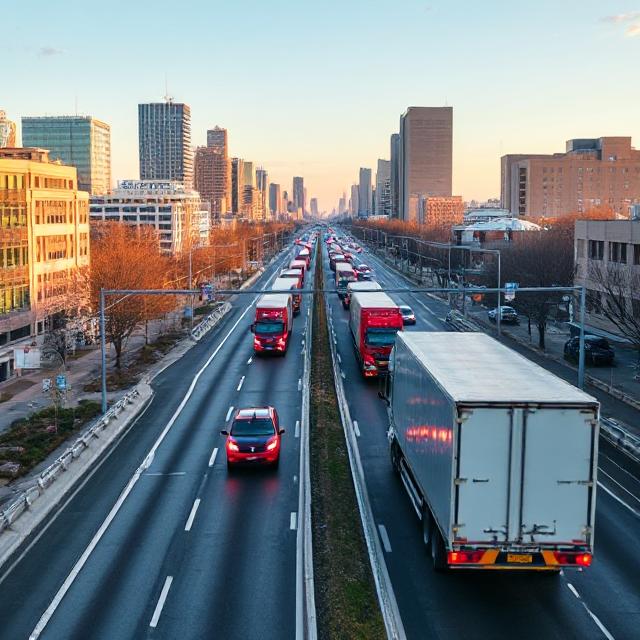
Learn how cities can optimize freight traffic to enable smoother deliveries, reduce congestion, improve efficiency, and build sustainable urban logistics systems.
How Cities Can Optimize Freight Traffic for Smoother Deliveries
As global urbanization accelerates, the demand for efficient freight transportation within cities continues to grow. Congested roads, limited loading zones, and inefficient delivery routes often lead to delays, increased costs, and higher emissions. However, cities can adopt several smart strategies to optimize freight traffic and ensure smoother deliveries for businesses and residents alike.
1. Create Dedicated Freight Corridors
One of the most effective ways to reduce conflicts between freight and personal vehicles is by developing dedicated freight corridors. These routes prioritize the movement of delivery trucks during certain hours, minimizing delays caused by regular traffic.
2. Implement Dynamic Routing and Smart Traffic Signals
Smart traffic management systems use real-time data to monitor congestion levels and adjust traffic signals accordingly. Dynamic routing apps can suggest alternative routes to drivers, helping them avoid traffic hotspots and reach destinations faster.
3. Encourage Off-Peak Deliveries
Scheduling deliveries outside of peak traffic hours significantly reduces congestion. Cities can offer incentives to businesses and carriers that shift deliveries to early mornings, late evenings, or overnight hours, freeing up roads during busy daytime periods.
4. Expand Urban Consolidation Centers
Urban consolidation centers (UCCs) allow goods to be consolidated near the delivery area and dispatched in smaller, more efficient loads. This reduces the number of freight vehicles entering city centers and minimizes multiple trips.
5. Invest in Micro-Hubs and Last-Mile Solutions
Micro-hubs placed strategically around urban neighborhoods support last-mile delivery using smaller, cleaner vehicles like electric vans, cargo bikes, or autonomous delivery robots, ensuring quick and efficient local deliveries.
6. Designate Smart Loading Zones
Cities can create smart loading zones that use sensors and digital platforms to manage availability. Real-time data ensures delivery vehicles find available spaces quickly, reducing illegal parking and unnecessary idling.
7. Adopt Clean and Quiet Delivery Vehicles
Promoting the use of electric or hybrid delivery vehicles helps reduce air and noise pollution. Some cities are implementing low-emission zones where only eco-friendly freight vehicles can operate.
8. Use Data-Driven Freight Planning
Collecting and analyzing data on delivery patterns, traffic flows, and congestion points helps city planners make informed decisions about infrastructure investments, policy changes, and traffic regulations that directly impact freight efficiency.
9. Promote Public-Private Partnerships (PPPs)
Collaboration between municipal authorities, logistics providers, retailers, and technology companies fosters innovative solutions tailored to each city’s unique challenges. Shared data platforms and pilot programs can drive real-world improvements.
10. Educate Stakeholders and Engage the Community
Public awareness campaigns, driver education, and ongoing dialogue with residents, businesses, and freight operators ensure everyone understands and supports new freight traffic policies, making implementation smoother and more effective.
Conclusion
Optimizing urban freight traffic is not a one-size-fits-all solution. Cities must combine technology, policy, infrastructure, and community collaboration to develop sustainable freight systems that support economic growth while minimizing negative impacts. With the right strategies, smoother deliveries and less congested streets are within reach for modern cities.
Keywords:
Urban freight optimization, freight traffic management, urban logistics, delivery efficiency, congestion reduction, smart transportation, city logistics, freight solutions, sustainable urban deliveries, traffic management strategies
Category:
Urban Logistics & Transportation
