
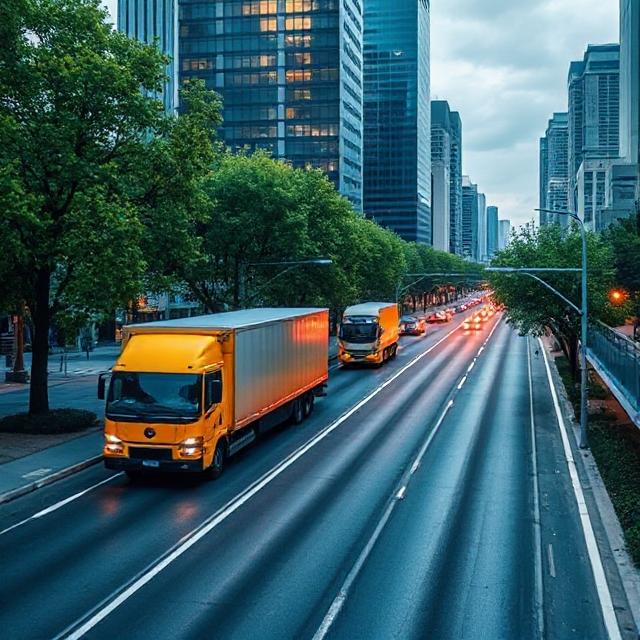
Discover 10 smart strategies to improve urban freight transportation efficiency, reduce congestion, lower costs, and build a more sustainable supply chain in cities.
How Cities Can Optimize Freight Traffic for Smoother Deliveries
10 Smart Strategies to Improve Urban Freight Transportation Efficiency
Urban freight transportation plays a crucial role in keeping cities running smoothly. From delivering goods to retail stores to supplying raw materials to industries, efficient urban freight systems are essential. However, cities often face challenges like congestion, pollution, and delivery delays. Here are 10 smart strategies to improve urban freight transportation efficiency and create more sustainable, reliable logistics operations.
1. Implement Smart Traffic Management Systems
Using intelligent traffic management systems powered by AI, IoT, and real-time data can significantly improve traffic flow. Adaptive traffic signals, real-time congestion monitoring, and dynamic route adjustments help freight vehicles avoid traffic jams and reduce delivery delays.
2. Optimize Delivery Schedules
Scheduling deliveries during off-peak hours (such as early mornings or late evenings) can minimize congestion and maximize efficiency. Many cities have begun offering incentives for nighttime deliveries to reduce daytime traffic pressure.
3. Adopt Electric and Low-Emission Vehicles
Electric delivery vans, cargo bikes, and hybrid trucks reduce pollution and meet stringent emission regulations. Many urban areas are moving toward zero-emission zones where only clean vehicles can operate, making this a forward-thinking investment.
4. Use Micro-Hubs and Consolidation Centers
Urban consolidation centers or micro-hubs allow multiple deliveries to be consolidated into fewer trips. This reduces the number of vehicles on the road, decreases congestion, and improves delivery speed.
5. Leverage Real-Time Tracking and Telematics
Real-time GPS tracking, telematics, and data analytics help logistics companies monitor vehicle performance, optimize routes, and proactively manage delays or disruptions. This transparency enhances customer satisfaction and operational efficiency.
6. Adopt Last-Mile Delivery Innovations
Last-mile delivery remains one of the costliest and most complex aspects of urban freight. Solutions like autonomous delivery robots, drones, and local pick-up lockers can significantly streamline last-mile logistics.
7. Promote Public-Private Collaboration
Collaboration between city governments, logistics companies, and technology providers can lead to better regulations, shared infrastructure, and innovative solutions to urban freight challenges.
8. Encourage Load Pooling and Shared Freight Services
Freight sharing allows multiple companies to share transportation resources, maximizing load capacity and reducing the number of vehicles needed. This cuts costs and minimizes the environmental footprint.
9. Develop Better Urban Infrastructure
Investing in dedicated freight corridors, loading zones, smart parking solutions, and improved road infrastructure makes freight movement more efficient and reduces conflicts between commercial and personal vehicles.
10. Incorporate Data-Driven Planning
Big data analytics can help urban planners and logistics managers analyze traffic patterns, delivery times, and freight volumes to design more efficient delivery networks and make data-backed policy decisions.
Conclusion
As urban populations continue to grow, improving freight transportation efficiency becomes more critical than ever. By adopting these 10 smart strategies, cities and businesses can work together to create a more sustainable, cost-effective, and reliable urban freight system that benefits everyone — from businesses and consumers to city residents and the environment.
Keywords:
Urban freight transportation, urban logistics, transportation efficiency, smart freight strategies, last-mile delivery, urban congestion, sustainable logistics, freight optimization, smart transportation, urban supply chain
Category:
Logistics & Transportation
